What is permaculture?
A working definition of permaculture: a food-productive copy of nature's biological cycle, built from soil, plants and animals.
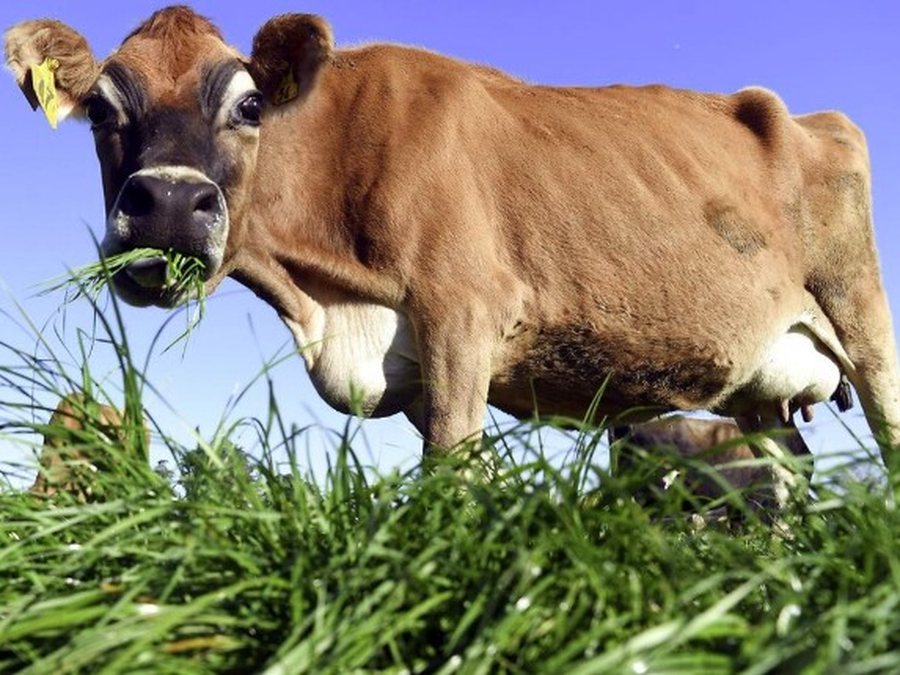
Permaculture is a copy of the nature of the place where you make it. That is why the answer changes from one farm to the next, and why a design belongs to its own landscape. What does not change is the aim: a food-productive system held inside nature's biological cycle, running from soil to plants to animals and back again.
A working definition
The shortest version is one sentence: from earth to table to earth, using only nature.
Leif's Danish definition runs a little longer. Permaculture is to live on and work the land for agriculture, on farms and gardens, in close cooperation with all of nature, so that everything is always part of nature's biological cycle, to the benefit of people and the whole of society.
In practice that means being open to nature wherever and whenever it is possible, using only natural biological methods, producing no waste and no chemicals, and making sure that no one who puts in effort gets less than a reasonable return for it. A permaculture project is a copy of the original nature of a place, holding as many food-productive animals and plants as it can carry.
A copy of the nature of the place
Permaculture is not a fixed set of beds or a planting recipe. It differs from place to place because the nature it copies differs from place to place. A design for a windy coastal field will look nothing like a design for a sheltered clay valley.
What stays constant is the intention: to use all the natural factors of a place in the most optimal way, and to let animals, plants, insects, soil and microorganisms work as symbiotic elements in one biological cycle. Design is the work of putting those elements together in the most productive way available.
Design starts with the landscape, then the soil
Permaculture design always starts by looking at the landscape. Where are the high areas and the low areas? Where should the elements be built in? How does the sun move across the site in winter and in summer?
Next comes the soil. What kind of soil is it? How deep is it? How is the structure, and how is the texture? Those questions decide what can be grown and where. A design that skips the soil is only a layout.
The three ethics
Three ethical principles sit underneath the method and do not change with climate: care for the earth, care for people, and fair share. You can read them in full in the three ethics.
The twelve principles
Twelve principles or rules apply everywhere, and they carry most of the practical weight of a design. They show why nature is complex, and therefore why permaculture has to be complex in answer. No plant or animal stands alone; every living thing lives in symbiosis with others.
You can work through them in the 12 principles. A large part of them will work by themselves if you stay inside nature's biological cycle, use only the opportunities nature offers, and allow it the time it needs.
From earth to table to earth
"From earth to table" is only half a cycle. In permaculture the slogan is "from earth to table to earth", because the point is always to close the loop.
Nature produces no waste, only new products. So whatever you find in nature there are several uses.
An output from one element is the perfect input to one or more other elements. That is why every element in a project should have at least three functions, and the more the better. A stable is not only a stable; a hedge shelters, fruits and supplies coppice.
The cycle itself is built in three steps — soil, plants and animals. They are described in three steps to permaculture.
Layers and polyculture
Several crops are grown in a mix in the same area: trees, fruit trees, berry bushes, herbs, root plants and mushrooms. Both perennial and annual crops are wanted, arranged so that seven to nine productive layers of plants occupy the same ground. Some trees root deep and others do not, and some crops feed in the upper soil layers, so they do not compete for the same nutrients. The whole planting is a companion system, so that all the plants benefit each other, and livestock, insects, birds and other animals are part of the same design.
Nature's biological cycle runs year after year on its own; that is its normal mode. Every time we spray, plough, drain or come up with some new stupidity, we put nature back to year zero. An empty ploughed field is the most unstable and least productive thing on a farm, and the most expensive. Permaculture aims instead at permanent growth of food-producing plants and animals in cooperation with nature.
A short history
Bill Mollison and David Holmgren are the founders of permaculture. Their book Permaculture One: A Perennial Agriculture for Human Settlements was a rewriting of Holmgren's university thesis, and it is the book that began the permaculture movement worldwide. Mollison followed it with Permaculture Two, which developed the ideas further.
In 1988 Mollison published Permaculture: A Designers' Manual. It is the handbook used as the textbook on Permaculture Design Certificate courses. At 14 chapters it is not an easy read, and it is not meant to be read straight through. The first four chapters are the ones worth reading slowly, and Chapter 4, "Pattern Understanding", is fundamental to everything that follows.
Holmgren's later Permaculture: Principles and Pathways Beyond Sustainability is another milestone. Leif also points to Farmers of Forty Centuries, published in 1911, as the most important book written on regenerative agriculture: it sets out how regenerative cultivation preserved soil fertility and high yields over 4,000 years.
Where to start on your own land
Every good project begins with looking properly at what you already have. If you want a second pair of eyes on the landscape, the soil and the water before you plant anything, we can make a design plan for your farm.
Continue reading
All guides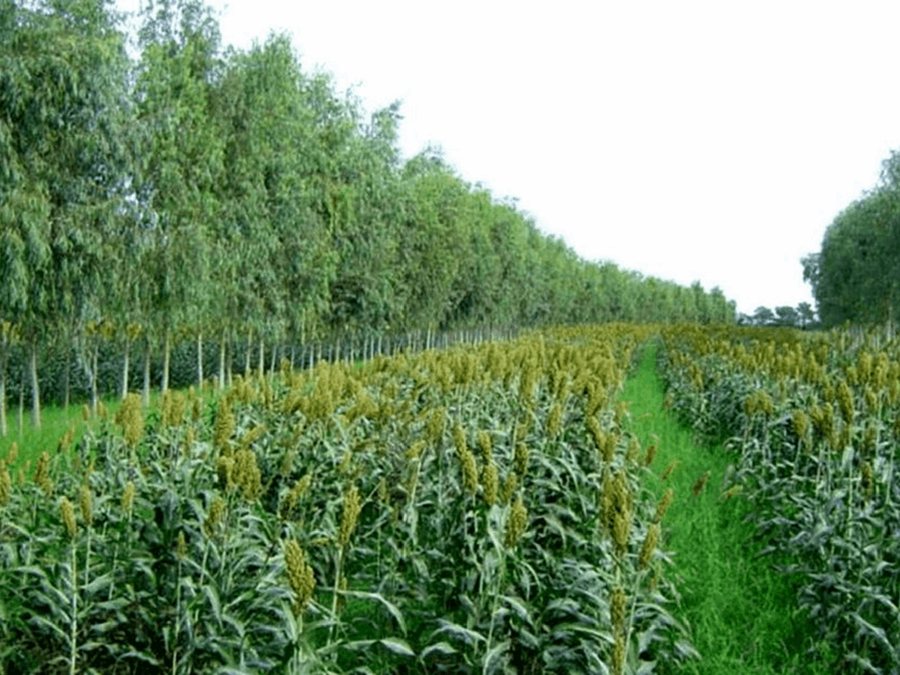
What is regenerative agriculture?
Degenerative, generative and regenerative farming — and why a permanent plant cover changes everything.
Read the guide
The 12 principles
The twelve design principles permaculture works by, explained in plain language with examples from real farms and gardens.
Read the guide
Three steps to permaculture
Soil, plants and animals — the three steps that turn a farm or garden into a working biological cycle.
Read the guide