The soil food web
How bacteria, fungi, protozoa and nematodes feed your crops — and how a biological soil test shows what your soil is missing.
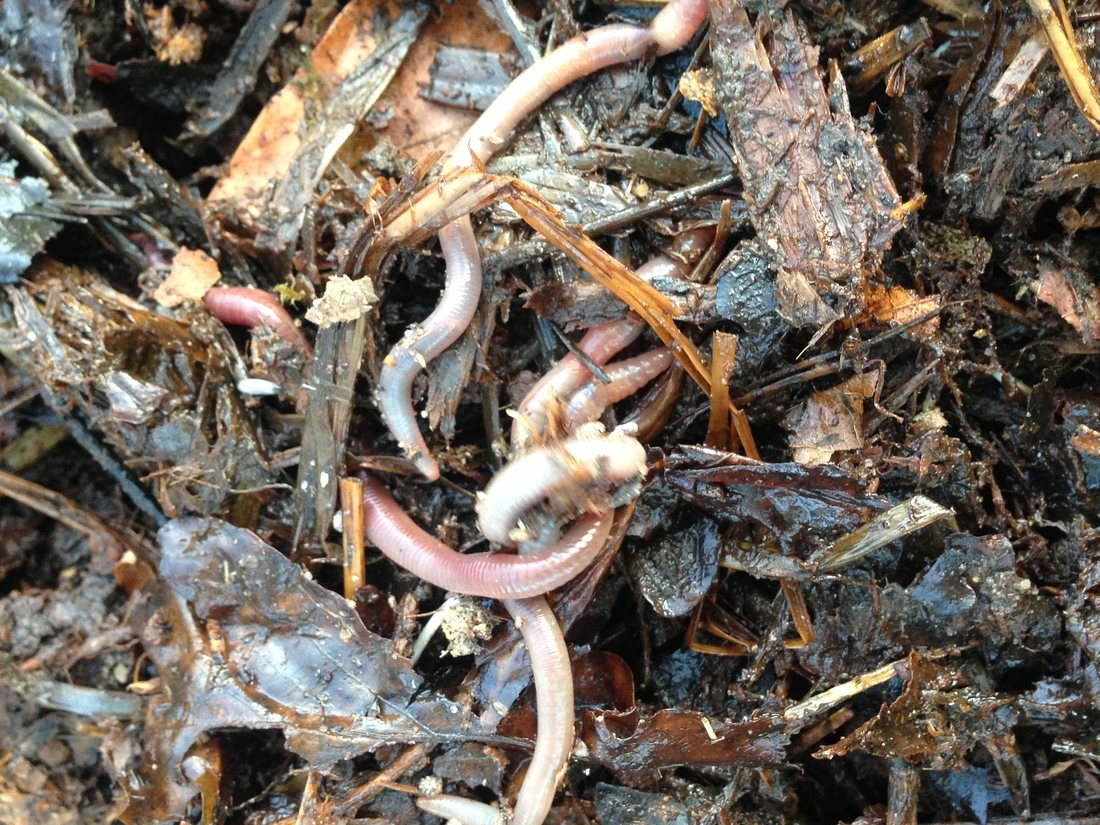
A large part of the world's agricultural land is dead land. The microbiological food chains are simply not there, and often only disease-causing microorganisms are found in the soil. The soil food web is the name for the living chain that should be there instead. A biological soil test tells you whether it is there, and what is missing.
At least five layers
The soil's microbiological food chain has to contain at least five layers of plant-symbiotic microorganisms before it can function. Fewer than that and the system runs short of the partners that feed the crop.
The chain starts with the plants themselves, and with the organic matter they shed. Roots supply energy from photosynthesis to the microorganisms that are useful to the plants. From there the chain runs up through the trophic levels:
- Bacteria and fungi take that energy and hold nutrients in their cells.
- Nematodes and protozoa graze on bacteria and fungi, and release nutrients back to the plants.
- Arthropods eat bacteria, fungi and nematodes.
- Predatory arthropods and predatory nematodes complete the microbiological part of the chain.
- Earthworms, snails, beneficial insects, birds and moles close the visible part.
Each group has a job, and the job is mostly about moving energy and nutrients one step along. Bacteria and fungi are the first stop, the living store where nutrients are held. Nematodes and protozoa are the grazers that release those nutrients back to the plant. Arthropods eat bacteria, fungi and nematodes, and the predatory ones close the microbiological part of the chain. Earthworms, snails, insects, birds and moles work on the same material at a larger scale.
The point of the list is that none of these groups is optional decoration. Take one layer out and the layers above it lose part of their food supply. Five layers is the minimum, not a target. Below that number the chain does not function, and the crop loses the microorganisms that are useful to it.
Why the fungal-to-bacterial ratio matters
Soil biology is not only a question of how much is there. It is also a question of balance between the two main groups of soil microorganisms, fungi and bacteria. A compost can carry plenty of both and still be lopsided, so the ratio between fungal biomass and bacterial biomass is stated as a requirement in its own right. The Soil Food Web minimum is 0.3:1 or greater. A compost can meet both biomass figures and still fail on balance.
Rebuilding the chain takes one to three years
Re-establishing the soil biology is done by adding the biology to the soil and to the crops. It takes 1 to 3 years to regenerate the soil microbiology, because the organisms have to establish, feed and multiply in place. There is no shortcut that skips the establishment.
The method uses only biology and regenerative methods for growing crops. It fights diseases and pests, and it reduces the need for fertiliser. It is about re-establishing the biological cycle of nature rather than substituting for it.
What a biological soil test measures
A soil test shows what condition your soil is in, at the level of the food chain rather than the chemistry. It shows whether the chain is present and where the gaps sit, so you know whether you have living soil or a substrate where only disease-causing organisms survive.
The test also runs on compost. Testing compost tells you whether it contains the entire soil food web, and therefore whether it is bicomplete and can regenerate the microbiology in the soil where it is used. Compost that has not been tested is a guess.
What bicomplete compost has to contain
Biocomplete compost means compost that contains the entire microbiological network necessary for the soil to be regenerated and to function as a living soil. Biocomplete compost, compost extract and compost tea are tested against the Soil Food Web minimum requirements.
| Measure | Minimum |
|---|---|
| Bacterial biomass | 135 µg/g compost |
| Fungal biomass | 135 µg/g compost |
| Fungal-to-bacterial ratio | 0.3:1 or greater |
| Protozoa | 10,000/g compost |
| Beneficial nematodes | 100/g compost |
| Ciliates | fewer than 5 per drop of a 1:5 solution |
All six numbers are measured, and compost has to meet all of them. The biomass figures are the base; the grazing groups are what release the nutrients to the plants.
Where to start
The useful first step is a sample, not a product. Knowing which layers you have and which are missing decides everything that follows: whether the soil needs biology, whether it needs a different kind of compost, or whether the compost you already make is doing the job.
We do biological soil samples to show the condition of your soil, and we re-establish the soil biological food chain so the soil becomes more productive. If you want to know what your soil is missing, order a soil test.
Continue reading
All guides
What is permaculture?
A working definition of permaculture: a food-productive copy of nature's biological cycle, built from soil, plants and animals.
Read the guide
What is regenerative agriculture?
Degenerative, generative and regenerative farming — and why a permanent plant cover changes everything.
Read the guide
The 12 principles
The twelve design principles permaculture works by, explained in plain language with examples from real farms and gardens.
Read the guide