Permaculture · Regenerative agriculture · Denmark
Grow more food by working with nature.
Permaculture Farmers helps farmers, gardeners, growers and other landowners rebuild soil — with biology. Using BioComplete compost and a design that follows the land. With forty years of practice, from the Kalahari to Danish farmland.
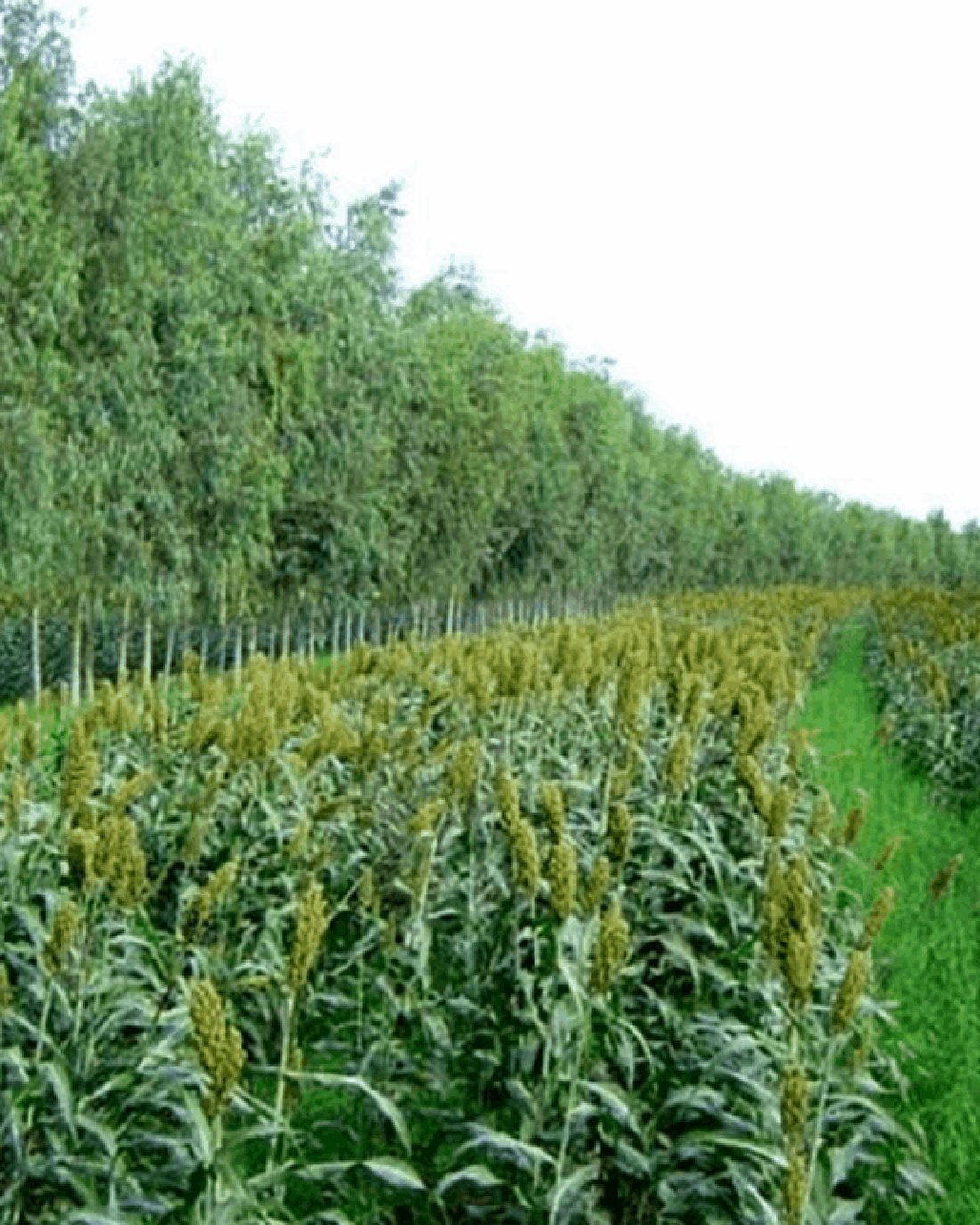
Alley cropping: annual crops between perennial tree belts.
- 4,000
- years of working agriculture behind these methods
- 40
- years of Leif's own practice, from the Kalahari to Denmark
- 1–3
- years to bring the soil food web back
01 — The starting point
It always begins with the soil.
Crops do not grow in square metres of land. They grow in cubic metres of soil. Before we change a field, a garden or a whole farm, we find out what is alive in the soil — and what is missing.
How a biological soil test works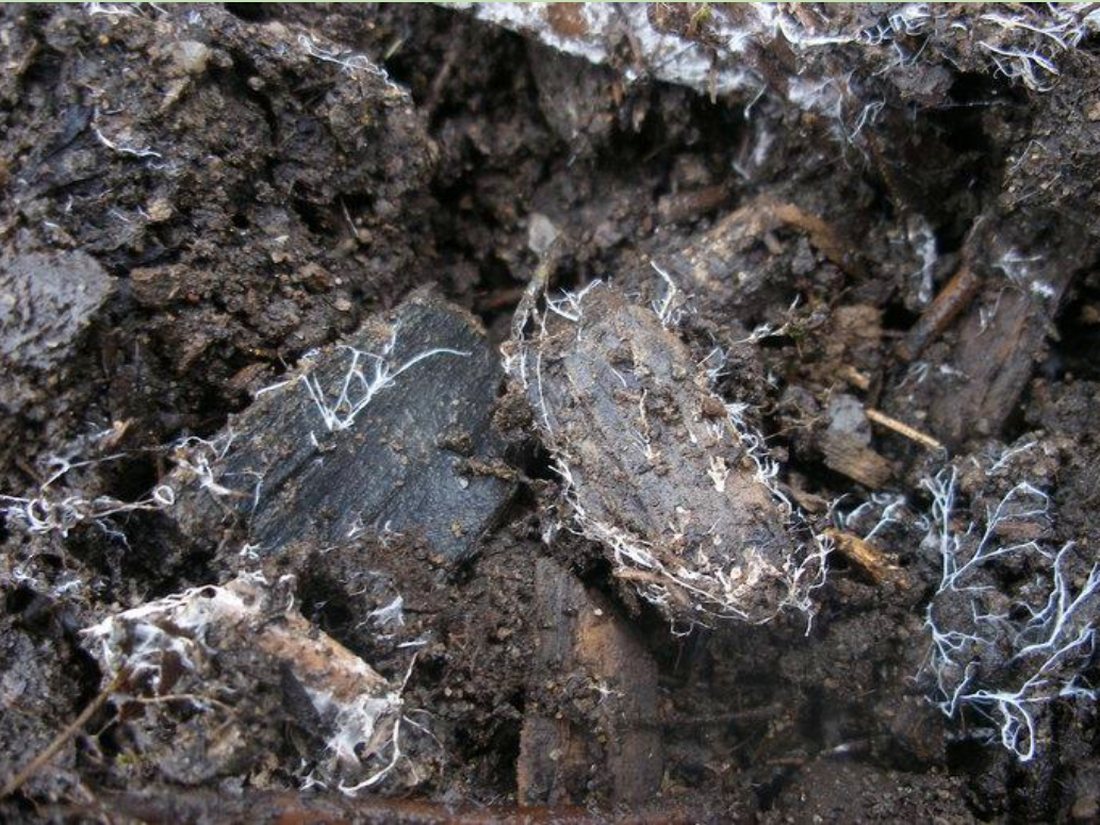 Living soil
Test the biology
A biological soil test shows the bacteria, fungi, protozoa and nematodes at work, and where the soil food web has broken down.
Restore the soil food web
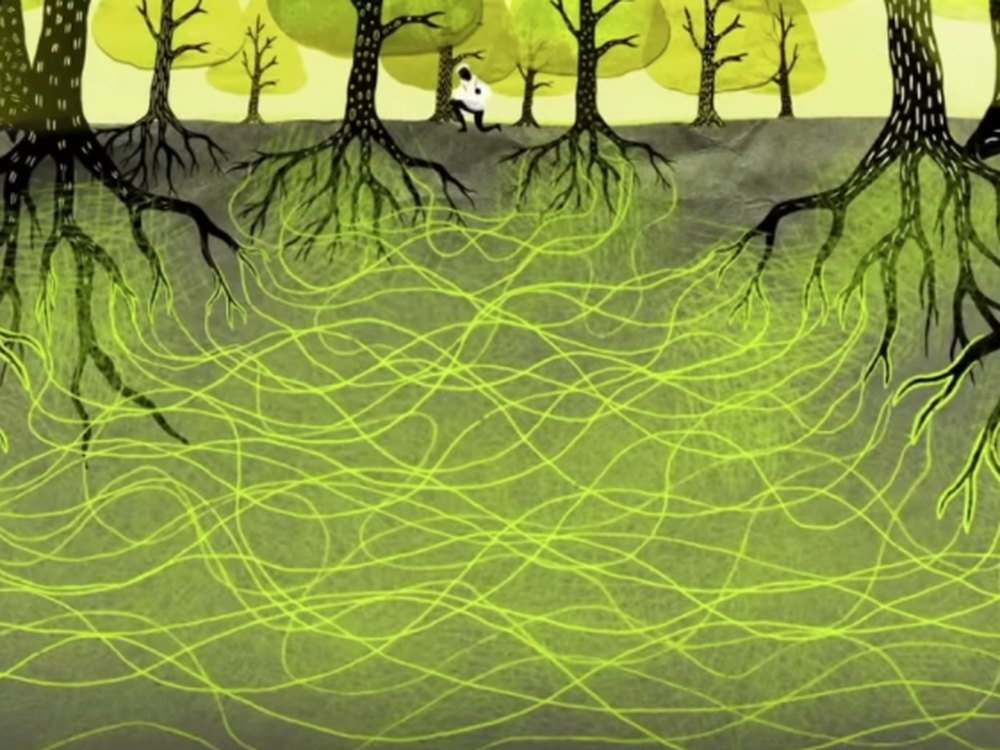
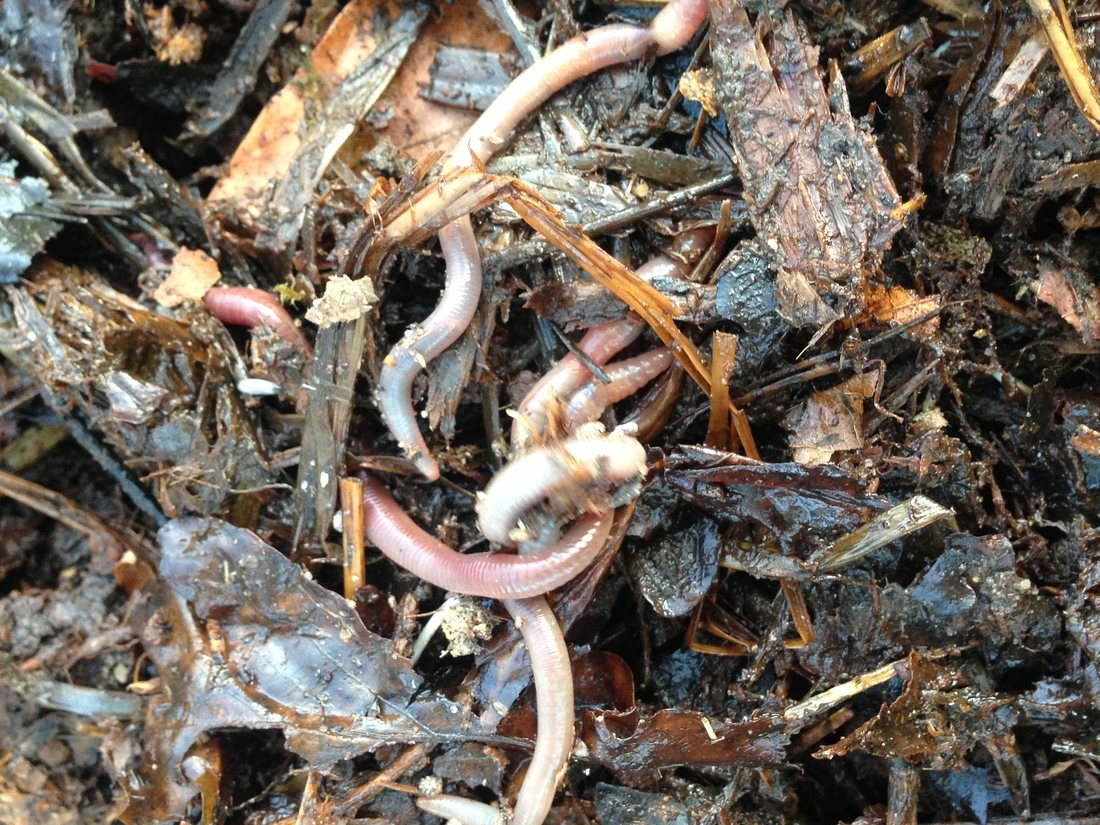
Biocomplete compost, compost and compost tea extract put the missing soil food web biology back. Most soils need one to three years of consistent work to restore the soil food web
Design the whole system
Water, perennial plants, animals and crops are arranged in natures biological cycle so that every output becomes the best input somewhere else.
02 — Services
Four ways to work together
Start with a conversation, a soil sample or a compost heap. Every service is built around the same idea: give the biology what it needs, then let the farm do the work.
All services03 — The approach
Soil, plants, animals. One cycle.
Permaculture is a copy of the nature that is already at your place. We design with the landscape, the water and the soil you have — not against them. Working with nature is the only way into the future.
Water first
Every drop of rain is a resource. We slow it, spread it and store it before it leaves the land.
Perennials and layers
Trees, shrubs, herbs and crops grown in up to nine layers, so the ground stays covered and alive all year.
Animals as partners
Ruminant manure and careful grazing rebuild the microbiology that holds soil together.
Crops do not grow on square metres of land. They grow in cubic metres of soil.
04 — Learn
Understand the system before you change it.
Plain-language guides to permaculture, regenerative agriculture and the soil food web — written from forty years of fieldwork, not from a textbook.
All guides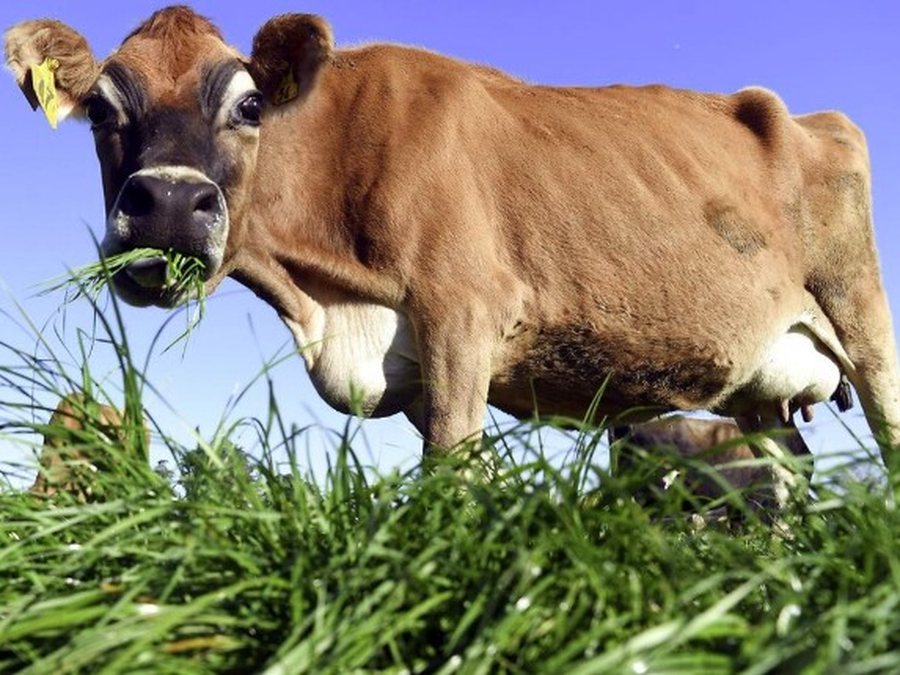
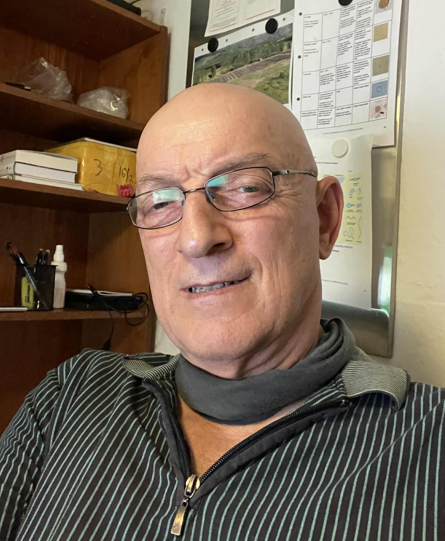
Leif Busk, Soil Food Web consultant
Give, Denmark
05 — About
Forty years of watching soil respond.
Leif Busk trained as a farmer, plant breeder and agricultural engineer. He has built biological cycles in the Kalahari, taught at Danish agricultural schools, and now runs Permaculture Farmers with a Soil Food Web soil laboratory and a biocomplete compost production.
- Farmer, plant breeder and agricultural engineer
- Soil Food Web laboratory and biological soil tests
- Permaculture design and regenerative management
06 — Questions
Questions people ask before we start
If your question is not here, call or write. A short conversation usually saves a season of guessing.
Ask your questionIs permaculture only for small farms?
No. The same principles work on a garden, a smallholding or a thousand-hectare farm. What changes is the design and the time it takes to rebuild the biology.
What does a consultation cost?
Online consultations are $150 per hour, with a one-hour minimum. On-site visits are also $150 per hour, or $1,000 for a full day. Travel and accommodation are added to the price.
How long does it take to see a difference?
Soil biology usually responds the first year and developing fast teh next three years. Production from perennial plants keeps rising for twenty to thirty years as the system matures.
Do you work outside Denmark?
Yes. Consultations are held online worldwide, and on-site field work is quoted individually, including travel.
What is biocomplete compost?
Compost that contains the complete microbiological network — bacteria, fungi, protozoa and beneficial nematodes — tested to the Soil Food Web minimum requirements. biocomplete compost is a vital part of regenerating the soil-plant-animal circle that is the basic of any permaculture or regenerative project.
Can I start without animals?
Yes. A garden can begin with compost, perennials and water. Animals can be added later, when the system can feed them. If you don't want animals at all or simply don't have a place for them, you will need to use manure from animals and biogas slurry will be beneficial. Also, it may be important that it is possible to rent animals for a short time, put them in to do the function in the week, and then they move on.
Next step
Let's look at your soil.
Tell us where you are, what you grow and what is not working. We will tell you what we would look at first. A soil profile and a biological soil test are telling a lot about the future possibility.