Forty years in the making
From a volunteer in the Kalahari to a Soil Food Web laboratory in Denmark — the path that shaped Permaculture Farmers.
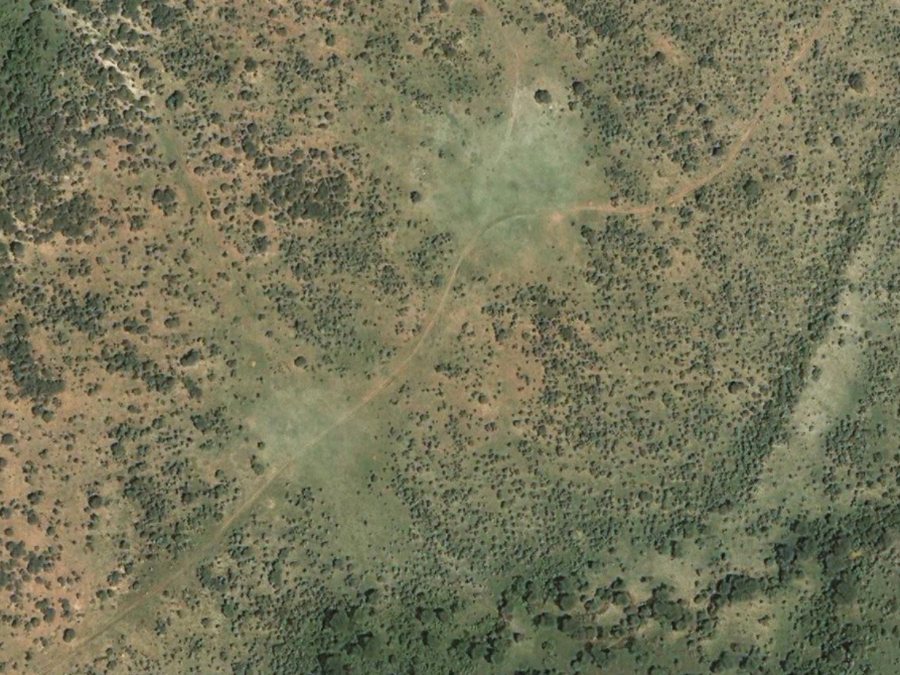
I have the Danish farmer education, followed by plant breeding technician and agricultural engineer, specialising in biological circulation and green technologies. Since 1985 I have been working to get nature's biological cycle back to being the foundation of agriculture. The first real project was in the Kalahari desert, and the idea I worked out there has not changed much since.
1985: the Kalahari
I began in the Kalahari desert in Botswana in 1985, as a volunteer. The work quickly came to be about biogas, compost and the cycle between soil, plants and animals. The Kalahari is very barren and the soil extremely poor. The answer was to build a biological cycle between soil, plants and animals, and that was soon working very well.
Biogas, compost and a cycle
The practical core was a biogas system and compost production, with as many kinds of plants and animals as possible integrated around them. Material that would otherwise be waste went through the biogas system or the compost, and came back to the soil that grew the plants that fed the animals. A report from my studies, Milk, Fish and Vegetable production in Botswana, describes the whole idea: no waste, and every biological product recycled the way it happens in nature.
A system without a name
I called the system Integrated Farming, because the system did not have a name. At the time I did not know of anyone else who had tried to establish a biological cycle as the basis for agriculture.
Finding permaculture
Years later I encountered the permaculture movement and found that it was working with many of the same biological and regenerative ideas. I took a permaculture design course from Australia and a course in regenerative management from the USA. I took both because they come in extension of each other and together give a good, complete picture. Many permaculture design courses can be found online, some of them free, and they are all good in different ways.
Teaching, and the laboratory
For several years I taught at Danish agricultural schools. Today I work as a Soil Food Web consultant and run my own biological soil laboratory, which works according to the Soil Food Web method. I do biological soil samples, which are a basic part of starting biological regenerative agriculture.
Compost, and helping farmers make their own
I keep a small production of biocomplete compost, and I help farmers start a production of biocomplete compost on their own farms.
The mission
The idea of permaculturefarmers.com is to create a food-productive biological circle, building on symbiotic relationships between soil, plants and animals. We do that in all the projects we make.
Our mission is to spread a food-productive copy of nature's biological cycle, based on nature's symbiotic relationship between soil, plants and animals. We use permaculture design and regenerative farming methods to re-establish the soil's microbiological food-net, to create regenerative farms and gardens and help people live a good life with good, healthy, chemical-free food. Working with us must always give our customers more than they expect.
What forty years has taught me
I developed my way of looking at farming as a symbiotic biological recycling system because it was the only way I could build up fertility and yield in the dry, sandy Kalahari. That has not changed.
To see farming as a productive biological cycle, building on symbiotic relationships between soil, plants and animals, is still the way forward for farming all over the world.
Some of my reports are more than thirty years old and in great need of updating, and I had never heard of permaculture when I wrote them. They are scans of the original paper versions, so the quality is so and so, but readable I hope. It is also interesting that some of the ideas in those old reports have still not been made fully into practice, even by me. What has changed is the technology. New technologies and methods make this kind of completely biological, regenerative farming more and more possible.
The reports from those years are a record of one problem: how to grow food on dry, sandy land with no fertility to begin with. Agriculture developments in the dry parts of Africa, written in Denmark in 1988–89, was a kind of conclusion to my time as a volunteer from 1985 to 1988. The studies that followed produced desk research on milk and meat production in the Kalahari with reuse of water and biological waste, the report on milk, fish and vegetable production in Botswana, and a report on the management of a farming project there. There were also project reports from the garden in Kang, the projects in Maun, and feasibility studies at Shakawe and Shorobe. Later came the permaculture reports and the One Hectare One Family self-sufficiency farm.
Forty years on, I still see farming the same way: a productive biological cycle between soil, plants and animals, with nothing wasted. If you would like to talk about applying it on your own land, get in touch.
Continue reading
All guides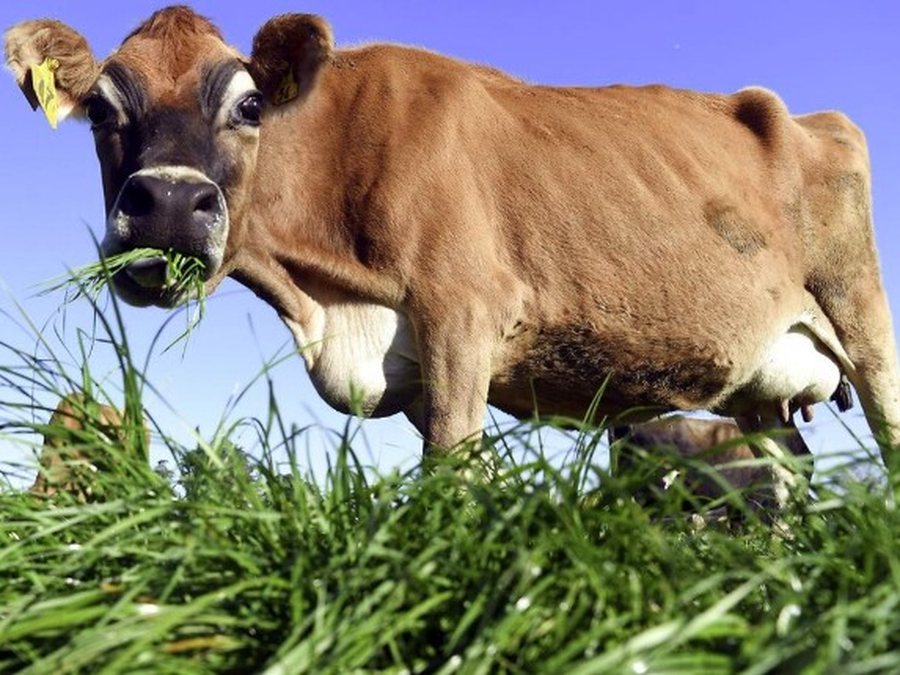
What is permaculture?
A working definition of permaculture: a food-productive copy of nature's biological cycle, built from soil, plants and animals.
Read the guide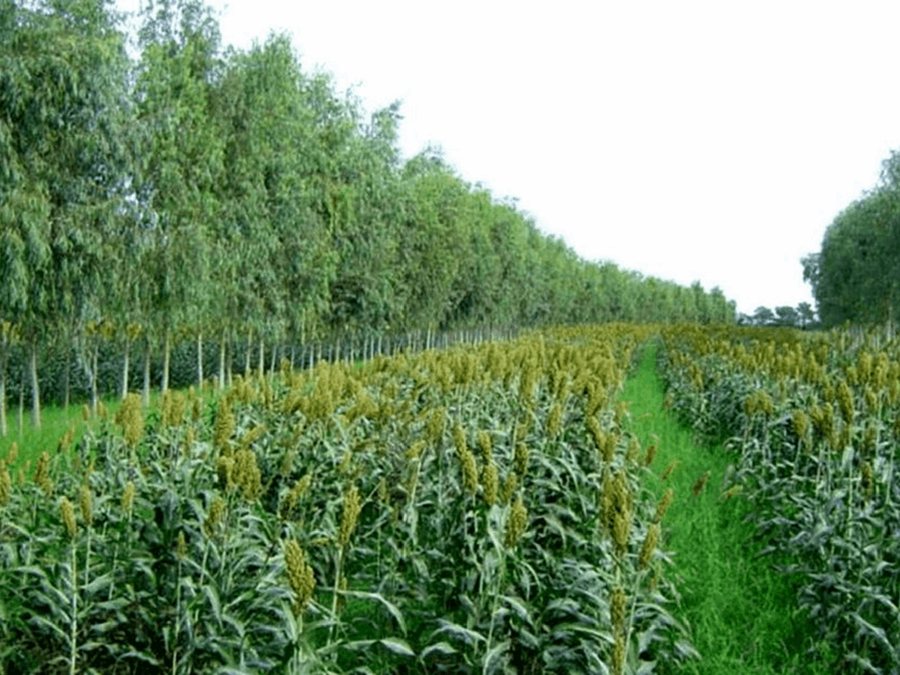
What is regenerative agriculture?
Degenerative, generative and regenerative farming — and why a permanent plant cover changes everything.
Read the guide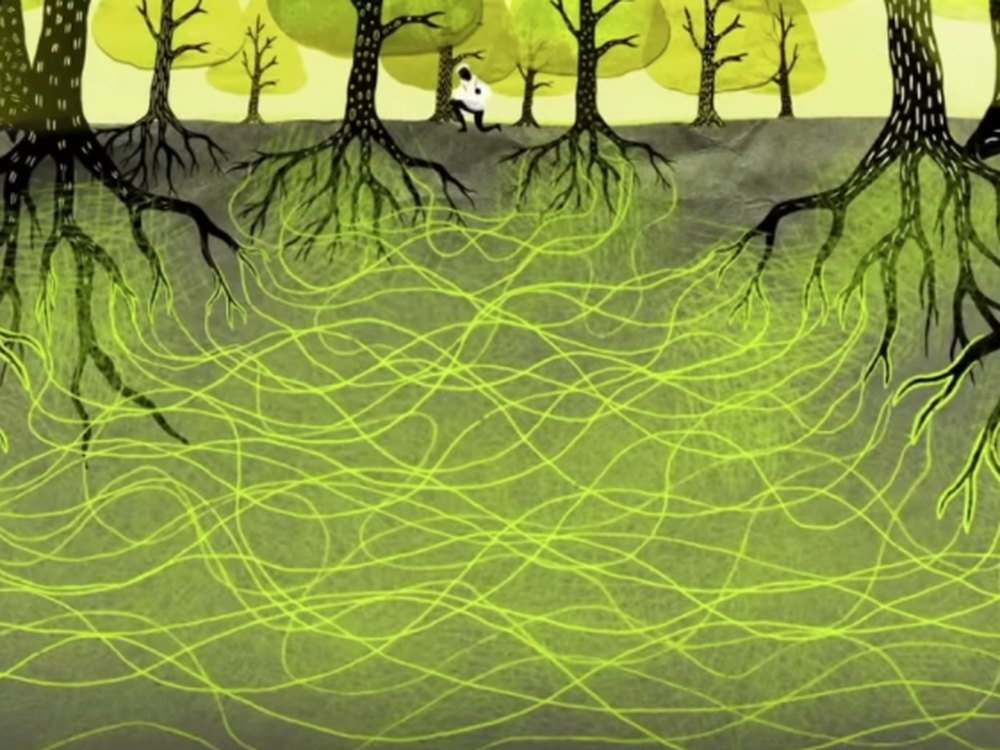
The 12 principles
The twelve design principles permaculture works by, explained in plain language with examples from real farms and gardens.
Read the guide